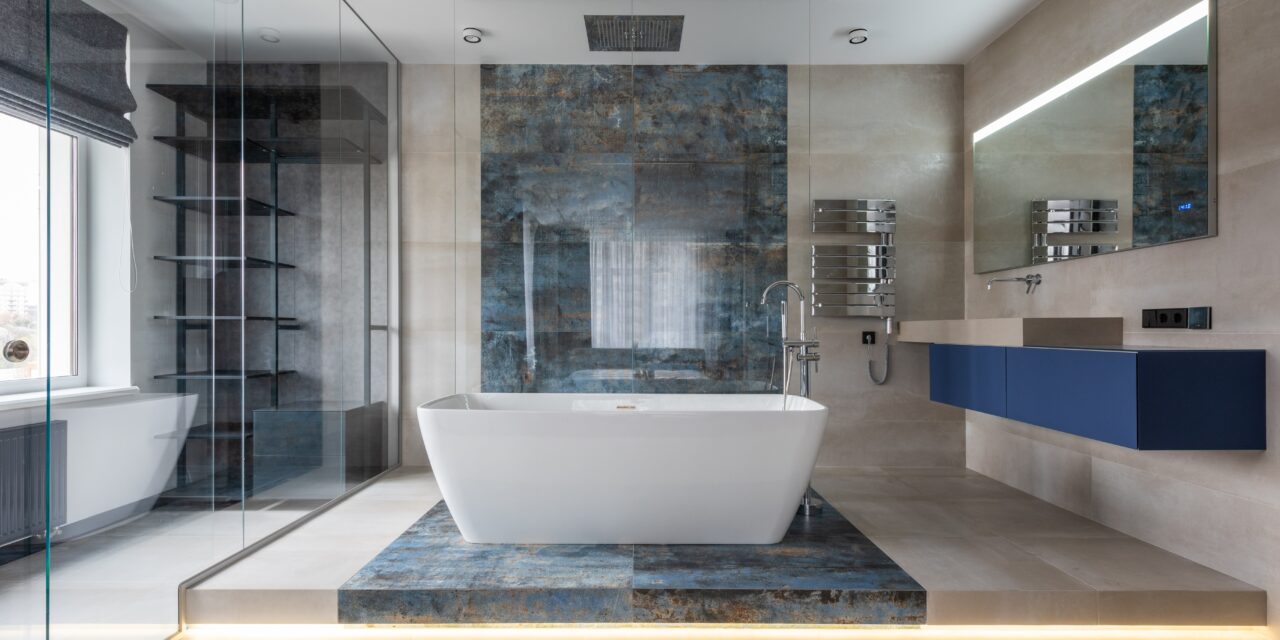
Renovating a master bathroom in a 1990s home can offer several compelling reasons to enhance both functionality and aesthetics. Here are some key considerations:
Outdated Design:
Homes from the 1990s often feature design elements that may feel outdated by contemporary standards. Renovating the master bathroom allows you to bring the design up-to-date, incorporating modern styles, color schemes, and fixtures.
Technological Advances:
The past few decades have seen significant advancements in bathroom technology. Updating your master bathroom provides an opportunity to incorporate smart fixtures, energy-efficient appliances, and other modern conveniences that may not have been available in the 1990s.
Enhanced Energy Efficiency:
Renovating the bathroom allows for the installation of energy-efficient fixtures such as low-flow toilets, water-saving faucets, and LED lighting. This not only reduces water and energy consumption but can also lead to long-term cost savings.
Increased Property Value:
A renovated master bathroom can significantly boost the overall value of your home. Potential buyers are often attracted to updated and well-designed bathrooms, making it a worthwhile investment if you plan to sell in the future.
Improved Storage Solutions:
Older homes might have limited or outdated storage options in the master bathroom. Renovating allows you to incorporate modern storage solutions such as built-in cabinets, recessed shelving, or efficient vanity designs, providing more space for toiletries and personal items.
Upgraded Fixtures and Finishes:
The fixtures and finishes in a 1990s bathroom may show signs of wear and tear. Updating to newer, higher-quality fixtures, faucets, and finishes not only improves aesthetics but also enhances durability and longevity.
Enhanced Comfort and Functionality:
Renovations provide an opportunity to improve the functionality of the space. This might include expanding the shower, adding a soaking tub, installing dual sinks, or reconfiguring the layout to better suit your lifestyle and preferences.
Health and Safety Considerations:
Older bathrooms may have issues related to mold, mildew, or outdated plumbing. A renovation can address these concerns, ensuring a healthier and safer environment for you and your family.
Personalization:
Renovating your master bathroom allows you to personalize the space to better reflect your style and preferences. Whether you prefer a spa-like retreat, a sleek modern design, or a more traditional look, a renovation allows you to tailor the bathroom to your taste.
Improved Resale Potential:
If selling your home is on the horizon, an updated master bathroom can be a strong selling point. Prospective buyers often view renovated bathrooms as move-in-ready features, saving them the hassle of immediate upgrades.
In conclusion, renovating a master bathroom in a 1990s home is a strategic investment that not only addresses functional and aesthetic concerns but also adds long-term value to your property. Whether it’s to create a more contemporary design, incorporate modern technologies, or enhance energy efficiency, a bathroom renovation can make a significant positive impact on your home.